
Popular Ceiling Tile Repair Products For Quick and Easy Fixes
Explore trusted solutions designed to simplify ceiling tile repairs and ensure a seamless, professional finish.
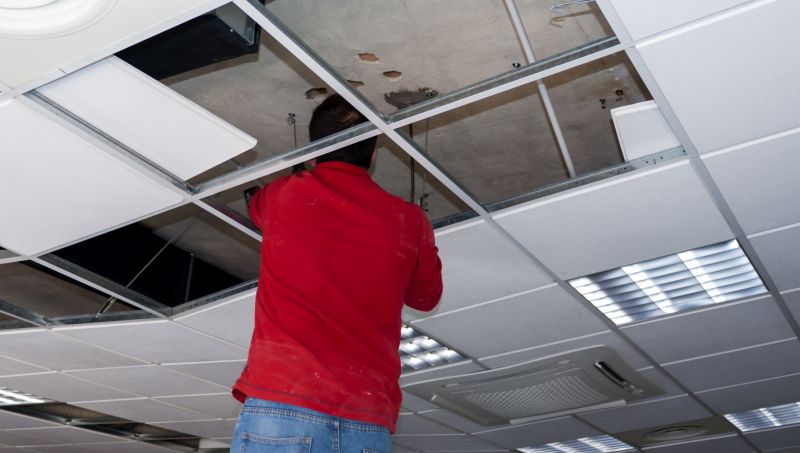 Ceiling tile repairs are a common aspect of maintaining the aesthetics and functionality of interior spaces, especially in commercial and residential settings with drop ceilings or suspended ceiling systems. When ceiling tiles become stained, cracked, or damaged over time, selecting the right repair products can help restore the appearance and integrity of the ceiling. Repair options vary from simple patching compounds to more advanced adhesive systems, each suited to different types of damage and tile materials. Understanding the variety of products available can help ensure a seamless and durable fix.
Top Overall Option
Multi-Purpose Ceiling Tile Repair Kit
This versatile repair kit offers a comprehensive selection of patching compounds, adhesives, and replacement tiles, designed to address a wide range of ceiling tile issues. It includes easy-to-use tools and instructions, making it suitable for DIY enthusiasts and professionals alike. The materials are formulated to provide durable, seamless repairs that blend with existing ceiling tiles, helping to restore the ceiling's appearance with minimal effort.
Types of Products For Ceiling Tile Repairs
Patching Compound
Used to fill cracks, holes, and minor damage, patching compounds are available in various formulations suitable for different tile materials.
Adhesive Spray
A convenient option for reattaching loose tiles or securing small sections, adhesive sprays provide quick bonding for ceiling tiles.
Replacement Tiles
Pre-cut or customizable replacement tiles allow for easy swapping of damaged sections, maintaining uniformity in ceiling design.
Mesh or Reinforcement Tape
Applied over repairs to add strength and prevent future cracking or sagging, especially in larger damaged areas.
Water-Resistant Sealant
Ideal for areas prone to moisture, these sealants help prevent mold and mildew growth on ceiling tiles.
Flexible Repair Paste
Designed for cracks and splits, this paste provides flexibility to accommodate slight movements without cracking.
Spray Texture Coatings
Used to match the texture of existing ceiling tiles for a seamless repair appearance.
Foam Sealant
Useful for filling gaps around edges or between tiles, providing insulation and preventing debris accumulation.
Acoustic Patch Kits
Specially formulated to repair tiles in soundproofed ceilings while maintaining acoustic properties.
Anti-Mold Coatings
Applied to prevent mold growth on ceiling tiles affected by moisture or humidity.
Self-Adhesive Patches
Simple peel-and-stick options for quick repairs on minor damage or surface blemishes.
Heavy-Duty Repair Putty
Suitable for larger cracks and holes, providing a sturdy and durable fix.
Decorative Repair Elements
Includes decorative tiles or panels to replace damaged sections with aesthetic options.
Cleaning and Preparation Solutions
Ensure proper adhesion and repair longevity by preparing surfaces with appropriate cleaning agents.
UV-Resistant Coatings
Protects repaired areas from sun damage and discoloration over time.
Popular Choices
Offers a variety of patching and adhesive options suitable for different damage types, favored for its versatility.
Easy to install, these tiles help quickly restore damaged ceiling sections with minimal effort.
Provides a fast and clean method for reattaching loose tiles or securing small repairs.
Popular for cracks and splits, offering flexibility and durability in repairs.
Ideal for bathrooms, kitchens, or other humid environments to prevent mold and water damage.
Designed to maintain soundproofing qualities while repairing damaged tiles.
Convenient for quick fixes on minor surface blemishes or small holes.
Provides additional strength for larger or structural damage areas.
Used to match or restore ceiling texture after repairs, blending seamlessly with existing surfaces.
Favored for filling larger holes or deep cracks with a sturdy finish.
Popular in damp environments for preventing mold growth on repaired surfaces.
Offer aesthetic options for covering damaged areas while maintaining design consistency.
Ensure optimal adhesion and long-lasting repairs by preparing the surface properly.
In addition to patching materials, there are specialized adhesives designed to secure loose tiles or replace missing sections. Some repair kits include pre-cut replacement tiles that match standard sizes and styles, making it easier to perform quick repairs without extensive remodeling. For larger or more complex damage, reinforcement mesh or backing materials might be necessary to provide additional support and prevent future issues. Proper preparation of the damaged area and selecting the appropriate product are key steps toward achieving a professional-looking result.
When choosing ceiling tile repair products, factors such as ease of application, drying time, compatibility with existing tiles, and the type of damage should be considered. For instance, water-damaged tiles may require mold-resistant compounds, while cracked tiles might need flexible patching materials. Additionally, some repair products are formulated to blend seamlessly with the existing ceiling, minimizing visual disruption. Taking the time to evaluate these considerations can help in selecting the most effective solution for your specific repair needs.
Key Buying Considerations
- Type of damage to be repaired, such as cracks, holes, or water stains.
- Material compatibility with existing ceiling tiles, whether acoustic, mineral fiber, or metal.
- Ease of application and whether the product is suitable for DIY use or professional installation.
- Drying or curing time required before the ceiling can be used again.
- Adhesion strength and flexibility of the repair product to prevent future damage.
- Moisture resistance, especially for areas prone to humidity or water exposure.
- Color matching options or ability to blend seamlessly with existing ceiling tiles.
- Presence of mold or mildew resistant properties for damp environments.
- Durability and long-term performance of the repair material.
- Texture matching capabilities for repairs that need to blend with existing ceiling surface.
- Environmental conditions such as temperature range during application and curing.
- Availability of repair kits versus individual products for specific damage types.
- Cost considerations and value for the scope of repair needed.
- Compatibility with different tile types, including decorative or specialty tiles.
- Safety precautions, including fumes, dust, or toxicity of repair products.
This page contains affiliate links. We may earn a commission if you make a purchase through these links, at no additional cost to you.